October 9, 2026
Pest Control Services Warren County for Multi-Unit Housing Solutions
By @sergioejzc847
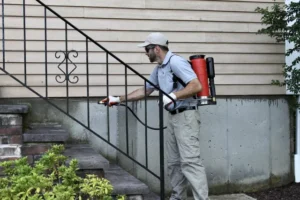
Multi-unit housing has a pest profile all its own. A single-family home can have a localized issue, one kitchen with crumbs behind the stove, one leaky sill plate, one attic access point. In an apartment building, duplex cluster, student complex, or senior housing property, the conditions are interconnected. One untreated unit can affect six more. A plumbing chase can become a corridor. Shared walls, shared trash areas, laundry rooms, storage lockers, utility penetrations, and turnover schedules all shape the way infestations start and spread.
That is why property owners and managers looking for Pest Control Services Warren County often need something more disciplined than one-off spray visits. Multi-unit housing calls for a system. The best results come from a program that combines inspection, building knowledge, tenant communication, sanitation support, documentation, and targeted treatment. Without that structure, problems tend to recur, costs rise, and resident confidence drops.
In Warren County, where housing stock ranges from older converted homes to newer apartment communities, pest pressure can vary sharply from one property to the next. A brick building with a damp basement may battle ants and occasional rodents. A garden-style complex with exterior entries may see seasonal spiders, wasps, and perimeter invaders. A high-turnover property may be more vulnerable to bed bugs or German cockroaches because move-ins and move-outs create constant openings for introduction. The service plan has to match those realities instead of relying on a generic route.
Why multi-unit housing changes the rules
The first challenge is access. In a detached house, a technician usually inspects the whole structure in one visit. In a 24-unit building, access depends on keys, notice requirements, resident schedules, and management coordination. If two units cannot be entered, the treatment map may have holes in it. Those holes matter. Roaches do not respect lease lines, and mice do not stop at a stairwell because one resident missed an appointment.
The second challenge is behavior. Pest pressure in multi-unit housing is shaped not only by the building envelope, but also by dozens or even hundreds of daily habits. Open food storage, overloaded closets, pet feeding routines, clutter, indoor smoking, unreported leaks, overflowing trash rooms, and secondhand furniture all affect outcomes. Good pest control in this setting is never only about chemical application. It depends on what happens between service visits.
The third challenge is reputation. In rental housing, pest issues travel fast. A single online review can influence prospects, renewals, and owner confidence. Residents may not distinguish between an isolated introduction and a property-wide failure. What they see is whether management acts promptly, communicates clearly, and resolves the problem with professionalism. Experienced providers understand that they are not just removing pests. They are protecting occupancy, retention, and trust.
The pests that most often complicate housing operations
In Warren County, the pests that create the greatest strain on multi-unit housing programs tend to be the ones that exploit shared infrastructure and human routines. German cockroaches are the classic example. They thrive around moisture and food, hide in small voids, reproduce quickly, and move through pipe penetrations and wall gaps. When a building has repeated sightings in kitchens or around refrigerators, the root cause is rarely isolated to one unit.
Rodents are another persistent concern, especially in older properties and at sites with dumpster issues, landscape harborage, or utility gaps. A mouse needs very little space to enter, and once inside, the route may involve wall voids, suspended ceilings, boiler rooms, and storage areas. Residents may notice scratching, droppings under sinks, or food package damage long after the access point has been active.
Bed bugs create a different kind of operational stress. They are not drawn by dirt, which is important to say plainly because stigma often delays reporting. They arrive in luggage, on furniture, on clothing, and in everyday travel. In multi-unit housing, especially communities with frequent turnover or supportive housing models, bed bug response has to be fast, discreet, and systematic. Delay is expensive.
Ants, flies, pantry pests, occasional invaders, and stinging insects also matter, though they are often easier to manage when building maintenance and sanitation are strong. Termites may be relevant in specific structures, especially wood-framed properties with moisture problems, but they usually sit in a separate category because management and treatment strategy are different from routine service pests.
What a strong service program actually looks like
The phrase Pest Control Services Warren County can mean many things in the market. For multi-unit housing, the difference between adequate and excellent service usually appears in the details no brochure highlights. A technician who simply treats reported units may provide temporary relief. A provider who maps the problem, traces contributing conditions, and coordinates with management can change the trajectory of an entire building.
The work typically starts with inspection, not product. A careful inspection looks beyond the complaint. If there are roaches in one kitchen, what is the moisture source, what neighboring units share plumbing walls, what is happening in the trash room, how old are the cabinet penetrations, and what does the refrigerator compressor area show? If mice are being reported on the third floor, are they actually nesting there, or using vertical utility lines from a basement entry point? These distinctions matter because the treatment plan depends on them.
Good documentation follows. In multi-unit settings, memory is not enough. Properties need service records that show where activity was found, what was done, what follow-up is needed, and which maintenance issues remain unresolved. That record helps managers spot patterns. If six units in one stack report ant activity after heavy rain, there may be a building envelope problem. If bed bug calls cluster after weekend move-ins, turnover procedure may need revision.
Then comes the treatment itself. The best technicians are restrained and precise. In occupied housing, broad, indiscriminate application is rarely the answer. Baits, dusts, crack-and-crevice treatments, monitors, exclusion work, and sanitation guidance are often more effective than heavy general treatments. Precision matters for safety, resident comfort, and long-term control.
Why integrated pest management works better in apartments
Integrated pest management, often shortened to IPM, is not a buzzword when it is done correctly. In practical terms, it means using multiple methods to reduce pest survival instead of relying on repeated pesticide use alone. For multi-unit housing, that approach is usually the most sensible because the environment itself is part of the infestation.
A simple example makes the point. If a building has recurring roach issues because of leaking angle stops under sinks, grease buildup behind stoves, and unsealed pipe openings, monthly spray treatments may suppress visible activity but will not solve the problem. Repair the leaks, deep-clean the hot spots, seal the gaps, place baits correctly, and inspect adjacent units, and the population often drops much faster and stays down longer.
I have seen this play out in older apartment blocks where management had grown used to a steady stream of complaints. Once the property shifted from reactive visits to a coordinated IPM program, the number of recurring units fell noticeably within a couple of service cycles. Not because of a miracle product, but because the building finally addressed the conditions that fed the pests.
The maintenance team is part of the pest control plan
One of the most overlooked truths in multi-unit housing is that maintenance and pest control are inseparable. Technicians can identify vulnerabilities, but maintenance usually closes them. If a site has a strong maintenance response, pest issues are shorter, smaller, and cheaper. If work orders stall, even a capable pest provider ends up fighting the same battle repeatedly.
The most common maintenance items that affect pest outcomes are predictable:
- sealing plumbing and cable penetrations
- repairing door sweeps and thresholds
- fixing leaks and chronic condensation
- correcting dumpster enclosure and lid issues
- replacing damaged vent screens
None of these tasks are glamorous, but each one changes the habitat. A missing door sweep can explain hallway roach migration. A slow leak under a vanity can sustain silverfish and cockroaches. A gap around conduit can serve as a rodent highway between utility spaces and kitchens. When technicians and maintenance supervisors communicate well, those small fixes compound into major gains.
Resident communication can make or break results
Even the best treatment plan can falter if residents are uninformed, embarrassed, or frustrated. In multi-unit housing, communication has to be direct, respectful, and practical. Residents need to know what was found, what preparation is necessary, what will happen during treatment, and what changes will help prevent recurrence.
Preparation language should be realistic. Some pest notices ask for such extensive cleaning and emptying that residents either ignore them or do the wrong things. Overcomplicated instructions create noncompliance. For bed bug treatments in particular, preparation should be carefully tailored to the method being used, because excessive movement of belongings can spread insects into hallways, cars, and neighboring units.
Tone matters too. Residents are more likely to report problems early when management avoids blame. A resident who fears being judged may wait until roach activity is severe or bed bugs have spread to multiple rooms. That delay raises treatment cost and increases the risk to adjacent units. Prompt reporting should be encouraged as routine building stewardship, not treated as a confession.
Unit turnover is where many infestations are won or lost
Turnover periods create a rare advantage in pest control because units are accessible, less cluttered, and easier to inspect thoroughly. They also create risk because incoming items, temporary vacancy, and rushed cleaning can conceal or reintroduce problems.
A disciplined turnover protocol can save substantial money over time. Before a new resident receives keys, the unit should be inspected not just cosmetically, but with pest signs in mind. That means checking behind appliances, inside cabinet voids, around plumbing penetrations, at baseboards, along window tracks, around mattress areas if furnished, and in utility closets. If a pest issue is suspected, it is far better to pause and address it before occupancy than to start a tenancy with an active complaint.
At one mid-sized property, a manager once described the shift that happened after they began treating every vacant unit as a prevention opportunity rather than a cleaning task. They added inspection stickers behind refrigerators, required maintenance to seal visible gaps before paint touch-up, and flagged secondhand furniture risks during lease-up. Within a year, complaint volume fell enough that the pest control budget stabilized despite rising service costs elsewhere. That kind of improvement is not dramatic from the outside, but it is exactly how good operations reduce avoidable expense.
Bed bugs require speed, discretion, and consistency
Few pests generate more anxiety in housing than bed bugs. The social and emotional strain can be intense, and poor handling often makes a manageable issue worse. In multi-unit properties, successful response depends on three things: quick confirmation, adjacency awareness, and follow-through.
Quick confirmation matters because not every skin reaction or bite Pest Control Services Warren County complaint is a bed bug case. Misidentification leads to wasted money and resident distrust. Once activity is confirmed, neighboring units should be considered based on the layout and exposure pattern. Bed bugs can move between units, especially in dense housing, though not every case spreads the same way. Treatment decisions should reflect actual evidence, not panic.
Just as important, management must plan for the whole cycle. One visit is seldom the end of the story. Follow-up inspection is often necessary, and resident cooperation on laundering, monitoring, and reduction of hiding places can determine whether the issue resolves cleanly or lingers. Experienced providers explain this without alarmism. The goal is to create confidence, not fear.
Cost control is about prevention, not just lower bids
Owners naturally want to control service costs, especially in properties with tight margins. But choosing the cheapest service line is not the same as controlling cost. In multi-unit housing, the most expensive approach is often delayed response combined with minimal prevention. A low monthly fee can look attractive until recurring infestations drive up resident turnover, staff time, after-hours calls, unit downtime, and online reputation damage.
A better question is what the program prevents. If a provider helps reduce chronic complaints, shortens vacancy delays, catches issues during turnover, and supplies documentation that helps management act early, that service may be worth more than a lower-rate contract that addresses only visible symptoms.
There is also a scale effect in larger properties. A single unresolved source unit can trigger repeated service calls to surrounding apartments. By the time management sees the full billing trail, the original problem may have cost far more than a building-wide targeted intervention would have. Strategic treatment sometimes costs more upfront and less over the quarter.
Seasonal patterns in Warren County properties
Seasonality shapes expectations. In Warren County, colder months often push rodents indoors. Spring can bring ant activity and increased moisture-related issues. Summer raises pressure from flies, stinging insects, and exterior invaders, especially around dumpsters, breezeways, and landscape edges. Fall is another common period for rodent movement as temperatures shift.
That does not mean every complaint is seasonal, or that interior pests only matter at certain times of year. German cockroaches and bed bugs are indoor operational pests first and foremost. Still, understanding seasonal patterns helps managers prepare. If rodent pressure typically rises in late autumn, exterior exclusion and dumpster review should happen before the first cold snap, not after residents start hearing movement in the walls.
What property managers should expect from a provider
A serious provider serving multi-unit housing should be able to discuss more than products. They should understand access logistics, notice requirements, resident sensitivity, turnover timing, maintenance coordination, and recordkeeping. They should also be willing to speak frankly about what pest control can and cannot accomplish without support from management.
When evaluating Pest Control Services Warren County for apartment or community use, property managers should look for a few signs of maturity in the service Pest Control Services Warren County relationship:
- clear inspection findings rather than vague reassurances
- recommendations tied to building conditions
- consistent documentation after each visit
- realistic expectations for follow-up and resident prep
- coordination with maintenance and site staff
Those qualities usually matter more than sales language. The strongest partnerships feel operational, not promotional.
Older buildings, affordable housing, and special challenges
Not all properties start from the same place. Older buildings may have decades of settled gaps, patched plumbing runs, uninspected voids, and moisture issues hidden behind finished surfaces. Affordable housing communities may face budget constraints, resident turnover, transportation barriers, or health conditions that make preparation harder. Senior housing can present access concerns and a greater need for gentle communication. Student-oriented properties may cycle through furniture movement and short-notice occupancy changes.
These contexts do not make pest control impossible, but they do require judgment. A rigid service model will struggle. The provider and management team may need to phase exclusion work, prioritize the highest-risk areas, or coordinate extra support for residents who cannot prepare units without help. The best outcomes often come from practical adaptation rather than textbook perfection.
Documentation matters more than many teams realize
For multi-unit housing, documentation is not bureaucracy. It is a management tool. Detailed service records help with quality control, budgeting, compliance, staff handoff, and dispute resolution. If a resident says an issue was ignored, records should show inspection dates, findings, treatment actions, and follow-up recommendations. If an owner wants to know why one building consumes more service hours than another, the logs may reveal that one has recurring trash room failures or unresolved exclusion needs.
Good documentation also helps new site staff come up to speed quickly. Housing teams change. Maintenance supervisors move on. Leasing managers rotate. The pest history should not disappear every time a position turns over. A property that keeps disciplined records is easier to manage and usually easier to improve.
The real goal is stability
Most property managers are not looking for a heroic one-time rescue. They want stable operations. Fewer complaints. Faster turnovers. Predictable service. Residents who trust that issues will be handled. Ownership groups that do not get blindsided by avoidable costs. That is the standard a multi-unit pest control program should meet.
For Warren County housing providers, that means choosing Pest Control Services Warren County with the complexity of shared living in mind. The right approach is thorough without being disruptive, targeted without being casual, and collaborative without shifting responsibility onto residents alone. Pest control in multi-unit housing works best when it is built into the way the property operates, not treated as an isolated vendor task.
When that happens, results tend to show up in ordinary but meaningful ways. Fewer repeat calls from the same stack of units. Less panic during turnover. Cleaner service records. Maintenance fixes that hold. Residents who report issues early because they trust the response. Those are the signs of a program doing its job, and in multi-unit housing, they matter far more than promises on a sales sheet.
Affordable Pest Solutions LLC
Budd Lake, NJ 07828 (service-area business)
Serving Warren, Morris and Sussex Counties, New Jersey
Phone: +1 973-229-9547
FAQ About Pest Control Services Warren County
How much does pest control cost in NJ?
The cost depends on the pest, the size of the property, the extent of activity and whether follow-up visits are needed. Ask for an inspection and a written estimate that explains the treatment scope and any ongoing service charges. Affordable Pest Solutions offers free estimates for properties in its service area.
What are the most common household bugs in New Jersey?
Ants, cockroaches, stink bugs and spiders are among the pests that residents may encounter in New Jersey homes. Activity varies by season, moisture conditions and available entry points. Correct identification helps determine whether exclusion, sanitation, monitoring or professional treatment is appropriate.
What kind of bugs infest homes?
Ants, cockroaches and termites can establish persistent activity in or around homes. The signs and appropriate response differ by pest: trails, droppings, shed wings or damaged wood may warrant closer inspection. A pest professional can identify the cause and recommend a plan suited to the property.
❧