October 9, 2026
Pest Control Services Warren County for Integrated Pest Management
By @sergioejzc847
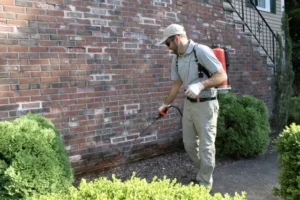
Anyone who has managed a home, rental property, restaurant, warehouse, school, or medical office in Warren County knows the same truth: pests rarely stay a small problem for long. A few ants at a baseboard can turn into a persistent trail through a kitchen. A mouse in a drop ceiling can become chewed wiring, contaminated storage, and one ugly surprise during a health inspection. Termites usually stay hidden until the repair bill gets real.
That is why the conversation around Pest Control Services Warren County has changed over the years. Property owners are less interested in one-time sprays and more interested in practical, repeatable systems that solve the cause of the issue. That approach is integrated pest management, often shortened to IPM. It is not a buzzword. When done properly, it is the difference between chasing symptoms and fixing conditions that let pests thrive in the first place.
In field practice, IPM works because it is grounded in observation, prevention, targeted treatment, and follow-through. It respects the fact that every property is different. A century-old farmhouse with stone foundation gaps behaves differently from a newly built office park. A food-service kitchen has different vulnerabilities than a suburban attic. Warren County itself presents a mix of residential neighborhoods, wooded lots, agricultural edges, streams, seasonal humidity, and older structures, all of which influence pest pressure in very practical ways.
Why integrated pest management fits Warren County properties
Local conditions shape pest activity more than most people realize. Moisture is a major driver. Basements that feel only slightly damp to a homeowner can be ideal for centipedes, springtails, carpenter ants, and occasional invaders that follow humidity. Crawl spaces with poor vapor barriers attract a different set of problems, especially when insulation is falling, vents are damaged, or standing water forms after heavy rain.
Then there is the edge effect. Many Warren County homes and commercial sites sit near tree lines, retaining walls, drainage ditches, fields, or unmanaged brush. Those transitions create easy movement corridors for rodents, ticks, ants, spiders, and stinging insects. If the building envelope is weak, pests only need one small opening. A gap under a loading dock door, a torn screen vent, unsealed utility penetrations, or even shrubbery touching siding can change a low-risk property into a recurring service account.
Integrated pest management makes sense in this environment because it does not treat all pest sightings as identical. It asks better questions. Where is the pest coming from? What changed recently? Is food available? Is water available? Is there clutter, harborage, or a structural opening? Would one targeted treatment solve the issue, or would exclusion and sanitation do more than chemical application alone?
That mindset matters because over-treatment can be just as ineffective as under-treatment. Spraying broad areas without understanding pest biology often wastes time and product. If mice are entering through a construction gap behind an AC line set, no amount of perimeter liquid application will seal that opening. If drain flies are breeding in organic film inside a floor drain, surface sprays may knock down adults without touching the source. Good Warren County pest control work begins with inspection, not assumptions.
What IPM really looks like on a service visit
A proper integrated pest management program is methodical. It is not dramatic, and that is part of its value. The best technicians are often the least flashy because they spend more time reading conditions than performing visible treatment for its own sake.
A typical visit starts with a conversation. When did you first notice the issue? Where are sightings concentrated? Is the activity tied to weather, time of day, deliveries, or recent construction? Occupants often reveal patterns they do not realize are useful. One restaurant manager might mention seeing small flies mostly after the floor mats are hosed down at closing. That points the investigation toward moisture and organic buildup. A homeowner might report hearing scratching only on cold nights, which often suggests rodents using wall voids after temperatures drop.
Inspection follows. In residential settings, that may include basements, attic access, utility penetrations, sill plates, exterior foundation lines, garage door sweeps, crawl spaces, and landscape contact points. In commercial settings, a stronger focus goes to receiving areas, floor drains, dry storage, grease management, dumpsters, roofline entries, and employee break spaces. The purpose is not simply to “find bugs.” It is to identify the conditions sustaining them.
Treatment, if needed, should be targeted and proportionate. Sometimes the correct action is exclusion with sealant, copper mesh, weather stripping, or door sweep replacement. Sometimes it is a baiting program placed with precision and monitored over time. Sometimes it involves dusts in inaccessible voids, crack-and-crevice applications, or insect growth regulators used where they will interrupt breeding cycles. On other visits, the best recommendation is sanitation correction and moisture management, with no heavy application required.
Monitoring is the piece many people overlook. IPM depends on evidence. Glue boards, insect monitors, rodent stations, sighting logs, and follow-up inspections help determine whether the plan is working. A property owner who sees no immediate pests might assume the problem is solved, but professionals know that absence of sightings and elimination of pressure are not always the same thing. Monitoring closes that gap.
The pests that most often test a property owner’s patience
Ants are among the most commonly underestimated pests in Warren County. People often notice them in kitchens and assume crumbs are the full story. Sometimes that is true, especially with odorous house ants that exploit tiny food residues. But carpenter ants tell a different story. They are closely tied to moisture-damaged wood, voids around windows, roof leaks, and damp structural areas. Killing the foragers without finding the nesting conditions usually leads to another wave of activity later.
Rodents create a different category of risk because they combine contamination, property damage, and speed of reproduction. In homes, mice often enter through openings smaller than people expect, especially around utility lines and garage corners. In commercial buildings, the problem often begins outdoors with poor dumpster management or vegetation against the structure, then shifts indoors as temperatures change. One of the most telling signs is not the animal itself but rub marks, gnawing, droppings, or shredded nesting material in quiet zones.
Termites require even more discipline because their damage is hidden. In Warren County, subterranean termites are typically the main Pest Control Services Warren County concern, and they exploit wood-to-soil contact, moisture, cracks in slab joints, and foundation vulnerabilities. Homeowners often call only after seeing swarmers or mud tubes, but by that stage the colony has usually been active for some time. A strong IPM-based termite program focuses on inspection quality, conducive-condition correction, and the right protective system for the structure.
Stinging insects become a major issue in late spring through early fall. Yellowjackets, hornets, and wasps can turn routine outdoor maintenance into a safety problem fast. Here, judgment matters. A nest under a deck near a back door is different from a high paper nest in a distant tree. Treatment decisions should account for access, occupant risk, allergy concerns, and whether the nest threatens regular movement paths.
Occasional invaders, including stink bugs, lady beetles, boxelder bugs, cluster flies, and spiders, frustrate homeowners because they often appear in numbers and seem to ignore ordinary cleaning. These are classic cases where exclusion usually outperforms repeated interior spraying. Sealing attic vents, improving screens, reducing light attraction at entries, and addressing siding or trim gaps often provide better long-term control than reactive treatments alone.
The hidden value of exclusion and building correction
Many customers expect pest control to mean product application. In practice, some of the most effective work has nothing to do with spraying. Exclusion is often the best return on investment because it changes access permanently or at least semi-permanently.
A mouse issue may be solved more by sealing a half-inch gap behind a downspout penetration than by adding more interior traps. A pantry moth complaint may disappear once old inventory is discarded, shelves are vacuumed, and incoming dry goods are rotated properly. Cockroach pressure in a break room may decline sharply after the leak under the sink is repaired and cardboard storage is reduced.
This is where experienced Pest Control Services Warren County providers stand apart from commodity service models. They know when to say, “Treatment alone will not hold.” That honesty matters. It can be uncomfortable to tell a customer that pest pressure is being sustained by poor drainage, rotted trim, cluttered storage, or a dock plate that no longer closes tightly. Yet those conversations are often the turning point between recurring invoices and actual resolution.
Older homes illustrate this especially well. Many have settled over time, creating hidden gaps around sill areas, windows, and utility routes. Add a humid basement and some stored paper goods, and the structure becomes unusually welcoming to silverfish, spiders, and rodents. You can treat those symptoms repeatedly, but unless the envelope and moisture issues are addressed, the problem keeps coming back wearing a different face.
Residential IPM is about family life, not just pest counts
Homeowners do not experience pest problems as abstract numbers. They experience them at breakfast, during bedtime routines, or when guests are coming over. A single cockroach in a bathroom at midnight has a different emotional impact than the same insect caught on a monitor in a boiler room. Good residential service accounts for that reality without overreacting.
For families with children or pets, the advantage of integrated pest management is that it prioritizes low-disruption solutions first. That may mean tamper-resistant bait placements, targeted crack-and-crevice work, or non-chemical corrections before larger treatment decisions are made. It also means clear communication. Residents should know what was found, what was done, what they should expect next, and what housekeeping or repair steps would strengthen the result.
One common example is the “sudden ant invasion” that occurs after heavy rain. Water shifts colonies and drives foragers indoors. A homeowner may think the kitchen suddenly became dirty. Often it did not. The more useful response is to inspect the exterior foundation, identify the entry line, trim back contact vegetation, correct any conducive moisture, and use precise interior and exterior treatment where warranted. When handled that way, the problem is not just reduced for the week, it is understood.
Another example is attic or wall noises in autumn. Residents usually assume squirrels or mice immediately, and sometimes they are right. But diagnosis matters because bats, birds, flying squirrels, and roof rats require different legal, safety, and technical responses depending on the jurisdiction and situation. Listening patterns, droppings, grease marks, entry points, and timing help sort that out. IPM is valuable here because it insists on identification before action.
Commercial properties need a tighter standard
Commercial pest management carries a different level of accountability. Restaurants, healthcare spaces, multifamily buildings, offices, warehouses, and retail sites cannot afford vague service notes or guesswork. Documentation matters. Trend Pest Control Services Warren County analysis matters. Staff behavior matters. A single sanitation lapse in a food-handling area can undermine weeks of otherwise good control work.
In these settings, integrated pest management is as much operational discipline as pest control. A well-run program aligns the technician’s findings with what managers can correct. If flies are repeatedly building near mop sinks, then drain cleaning schedules, drying practices, and splash control need attention. If rodents are targeting a receiving area, then door-open time, pallet inspection, and dumpster positioning become part of the pest plan.
The strongest commercial programs usually share a few traits:
- routine inspections tied to specific risk zones
- written recommendations that are practical, not generic
- monitoring devices checked consistently and interpreted correctly
- fast correction of structural and sanitation deficiencies
- communication between the technician, manager, and maintenance team
That coordination is where many accounts either stabilize or struggle. I have seen sites spend plenty on service while ignoring the same cracked sweeps, standing water, and overfilled exterior trash conditions month after month. Predictably, they stay in reaction mode. I have also seen modest facilities achieve excellent results simply because the service provider and the site manager took inspection notes seriously and acted on them quickly.
Seasonality changes the plan
One mistake property owners make is expecting pest pressure to remain constant all year. It does not. A smart IPM program in Warren County adjusts with the seasons.
Spring tends to reveal ant activity, termite swarms, emerging stinging insect queens, and moisture-related pests as temperatures rise and rain patterns shift. This is a good time for foundation inspections, trimming vegetation away from the structure, checking screens, and identifying any winter damage that opened access points.
Summer often intensifies fly issues, mosquito complaints, wasp and hornet nesting, and food-related pest pressure around outdoor living areas and commercial waste zones. Heat also changes product performance and insect behavior, which is one reason blanket treatment schedules without inspection often miss the mark.
Fall is prime time for rodent prevention and exclusion. As outdoor resources decline and overnight temperatures cool, mice and other animals begin testing buildings more aggressively. This is when door sweeps, garage thresholds, utility penetrations, attic vents, and roofline details deserve careful attention. Missing this window often means dealing with indoor activity once winter is already underway.
Winter can be deceptive because exterior insect pressure drops, leading some owners to assume pest control is less necessary. In fact, winter is an excellent time to inspect interiors for quiet problems, review monitoring data, and seal openings while activity patterns are easier to interpret. It is also when stored-product pests, mice, and cockroaches may become more obvious indoors if conducive conditions remain.
Choosing a provider without falling for empty promises
Not every company that offers Pest Control Services Warren County operates with an integrated pest management mindset. Some still lean heavily on speed, routine, and generalized applications. That may feel satisfying in the moment because something visible was done, but it is not always the best path to durable control.
A better provider typically asks more questions at the start and makes more specific recommendations afterward. They inspect rather than glance. They explain why an issue is happening, not just what they are applying. They distinguish between immediate knockdown and long-term correction. Most importantly, they are willing to say when building maintenance, sanitation, or drainage is the real driver.
When evaluating a service, it helps to pay attention to the quality of the inspection report and the realism of the plan. If every problem seems to get the same treatment pattern, that is a red flag. If no one discusses entry points, moisture, food sources, or monitoring, the program is probably not truly integrated.
You should also expect some nuance around timelines. A technician who promises instant elimination in every case is overselling. Certain problems improve quickly. Others, especially entrenched rodent issues, German cockroach infestations, stored-product pests, or large ant colonies tied to structural moisture, require staged correction. Honest expectations usually signal competent service.
What property owners can do between visits
Integrated pest management works best when the client side and service side support each other. A skilled technician can identify pressure and apply the right tools, but daily conditions inside and around the building still matter. The most helpful owner actions are usually simple: keep food sealed, reduce unnecessary clutter, repair leaks promptly, avoid storing paper or cardboard directly against basement walls, and watch for small exterior gaps before they become easy pest highways.
There is also value in reporting details rather than general frustration. Saying “I saw three small tan ants near the dishwasher after rain” is more useful than saying “the ants are back.” Mentioning whether the issue appears only at night, only near one room, or only after deliveries can shave weeks off diagnosis time. Pest control is one of those trades where small observations often lead to the right fix.
For landlords and property managers, tenant communication deserves attention. Residents should know how to report pest sightings, what preparation may be needed for certain services, and why sanitation and clutter reduction are part of the solution. In multifamily settings, untreated adjacent units or poor reporting systems can sabotage otherwise solid control efforts.
The real goal is stability
The best integrated pest management programs do not aim for endless activity that justifies endless treatment. They aim for stability. That means fewer surprise sightings, fewer recurring hotspots, less product dependency, better documentation, and a property that simply stops supporting pest pressure at the same level.
That outcome is especially valuable in Warren County, where the mix of climate, landscape, construction styles, and land use creates a broad range of pest conditions. There is no single formula that works for every home or business. There is, however, a dependable process: inspect carefully, identify accurately, correct the conditions that matter, treat with purpose, and verify results over time.
That is the standard worth expecting from Pest Control Services Warren County. When integrated pest management is done well, it feels less like a temporary patch and more like a well-managed property. The difference shows up in quieter basements, cleaner inspections, safer storage areas, and fewer unwelcome surprises when the lights come on.
Affordable Pest Solutions LLC
Budd Lake, NJ 07828 (service-area business)
Serving Warren, Morris and Sussex Counties, New Jersey
Phone: +1 973-229-9547
FAQ About Pest Control Services Warren County
How much does pest control cost in NJ?
The cost depends on the pest, the size of the property, the extent of activity and whether follow-up visits are needed. Ask for an inspection and a written estimate that explains the treatment scope and any ongoing service charges. Affordable Pest Solutions offers free estimates for properties in its service area.
What are the most common household bugs in New Jersey?
Ants, cockroaches, stink bugs and spiders are among the pests that residents may encounter in New Jersey homes. Activity varies by season, moisture conditions and available entry points. Correct identification helps determine whether exclusion, sanitation, monitoring or professional treatment is appropriate.
What kind of bugs infest homes?
Ants, cockroaches and termites can establish persistent activity in or around homes. The signs and appropriate response differ by pest: trails, droppings, shed wings or damaged wood may warrant closer inspection. A pest professional can identify the cause and recommend a plan suited to the property.
❧